Why Investors Are Rethinking Global Capital Flows Amid the Iran Crisis
The geopolitical landscape in 2026 has shifted dramatically, with rising tensions involving Iran creating ripple effects far beyond the energy markets. While much attention has been placed on oil prices and supply chain disruptions, a quieter but equally significant transformation is taking place—a global reallocation of capital.
Investors, sovereign wealth funds, and institutional players are rethinking where and how they deploy their money. In times of uncertainty, capital does not stay still—it moves. And in 2026, it is moving with increased caution, strategic intent, and a renewed focus on stability.
In this article, we explore how the Iran crisis is influencing global capital flows, what this means for businesses and investors, and why countries like Singapore may emerge as key beneficiaries.
Understanding Global Capital Flows
Capital flows refer to the movement of money for investment, trade, or business production across borders. These flows can take many forms:
- Foreign Direct Investment (FDI)
- Portfolio investments (stocks and bonds)
- Sovereign wealth fund allocations
- Private equity and venture capital
Under stable conditions, capital tends to flow toward regions offering:
- High growth potential
- Political stability
- Favorable regulatory environments
However, geopolitical instability—such as the current Iran conflict—can significantly alter these dynamics.
How Geopolitical Tension Influences Investment Decisions


Investors are highly sensitive to risk. When uncertainty rises, their priorities shift from maximizing returns to preserving capital.
Key Behavioral Shifts in 2026
- Flight to Safety
Investors move capital away from high-risk regions into safer markets. - Reduced Risk Appetite
Investments in emerging or volatile markets decline. - Increased Liquidity Preference
Investors prefer assets that can be quickly converted to cash. - Reallocation Across Asset Classes
Funds shift from equities to bonds, gold, or stable currencies.
The Iran Crisis and Its Direct Impact on Capital Flows
The current tensions involving Iran have created several immediate effects on global investment patterns.
1. Capital Outflows from High-Risk Regions
Regions perceived as geopolitically unstable tend to experience:
- Reduced foreign investment
- Currency depreciation
- Stock market declines
Investors avoid exposure to uncertainty, leading to capital flight.
2. Reduced Cross-Border Investment Activity
Businesses become more cautious about expanding internationally. This results in:
- Delayed mergers and acquisitions
- Reduced venture capital activity
- Slower expansion into emerging markets
3. Increased Demand for Safe-Haven Assets
Traditional safe-haven assets see increased demand:
- Gold
- US Treasury bonds
- Stable currencies
This shift reflects a broader trend of risk aversion.
4. Strategic Reallocation by Sovereign Wealth Funds


Large institutional investors, including sovereign wealth funds, are adjusting their strategies:
- Reducing exposure to volatile regions
- Increasing domestic or regional investments
- Prioritizing long-term stability over short-term gains
Why Singapore Stands to Benefit
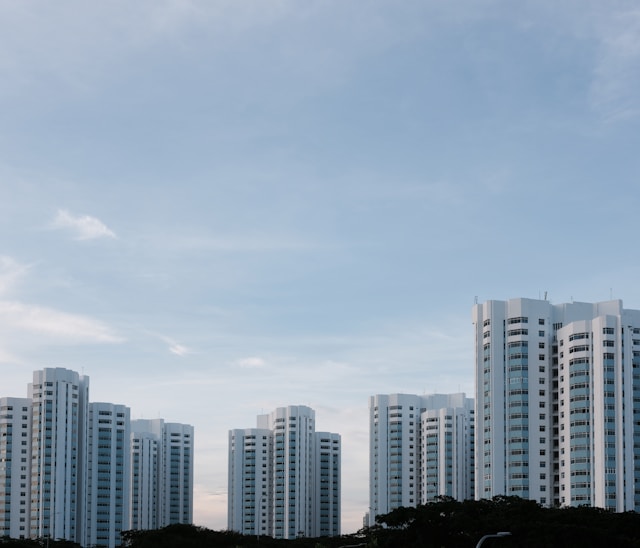
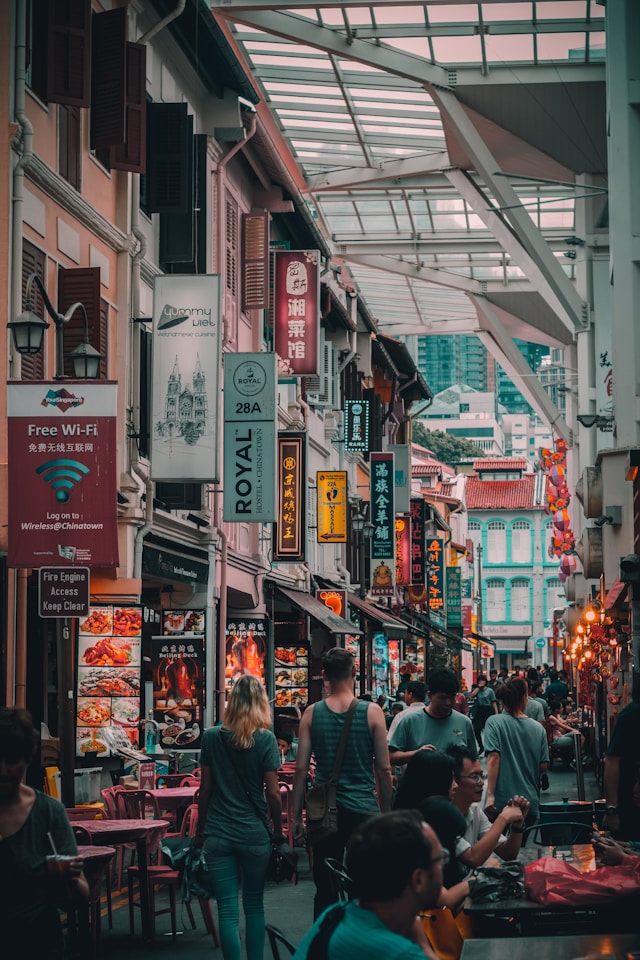
As global capital seeks stability, Singapore emerges as a natural destination.
1. Political and Economic Stability
Singapore is widely regarded as one of the most stable countries in the world. This makes it highly attractive during times of uncertainty.
2. Strong Financial Ecosystem
Singapore offers:
- A well-regulated banking system
- A robust wealth management industry
- Access to global markets
This makes it a preferred hub for capital preservation and growth.
3. Strategic Location in Asia
Singapore serves as a gateway to Southeast Asia, offering investors exposure to emerging markets while maintaining a stable base.
4. Growth of Family Offices
In recent years, Singapore has seen a surge in family offices being set up. The Iran crisis may accelerate this trend, as wealthy individuals seek:
- Asset protection
- Tax efficiency
- Political neutrality
Impact on Different Types of Investors
1. Institutional Investors
Institutional investors are likely to:
- Rebalance portfolios toward safer assets
- Reduce exposure to high-risk regions
- Increase allocations to developed markets
2. Private Investors
Retail and high-net-worth investors may:
- Shift toward conservative investments
- Increase savings rates
- Avoid speculative assets
3. Venture Capital and Startups
Startups may face:
- Reduced funding availability
- Longer fundraising cycles
- Increased scrutiny from investors
Sectoral Impact of Changing Capital Flows
1. Technology Sector
While still attractive, tech investments may become more selective, focusing on:
- Profitability
- Sustainability
- Market resilience
2. Real Estate
Stable markets like Singapore may see increased demand for:
- Commercial properties
- Luxury residential units
- Industrial real estate
3. Energy and Commodities
Higher oil prices can attract investment into:
- Energy companies
- Commodity trading firms
4. Financial Services
Wealth management, asset management, and banking sectors may benefit from increased capital inflows.
Risks Associated with Capital Flow Shifts
While capital inflows can be beneficial, they also come with risks:
1. Asset Price Inflation
Increased demand for safe markets can lead to:
- Rising property prices
- Stock market bubbles
2. Currency Appreciation
Strong capital inflows may strengthen local currencies, affecting export competitiveness.
3. Overdependence on External Capital
Economies must manage inflows carefully to avoid instability.
Strategic Considerations for Businesses
1. Positioning for Investment
Businesses should:
- Strengthen financial transparency
- Demonstrate resilience
- Highlight growth potential
This makes them more attractive to cautious investors.
2. Leveraging Singapore’s Position
Companies based in Singapore can:
- Attract foreign investors
- Expand regionally with strong backing
- Position themselves as stable investment opportunities
3. Diversifying Funding Sources
Relying on a single funding source is risky. Businesses should explore:
- Equity financing
- Debt financing
- Strategic partnerships
4. Enhancing Risk Management
Businesses must:
- Monitor geopolitical developments
- Build flexible strategies
- Prepare for multiple scenarios
Long-Term Implications
1. Shift Toward Regional Investment Hubs
Cities like Singapore may become even more important as:
- Financial centers
- Investment gateways
- Safe havens
2. Greater Focus on Stability Over Growth
Investors may prioritize:
- Capital preservation
- Risk-adjusted returns
- Long-term sustainability
3. Evolution of Global Investment Strategies
The Iran crisis may lead to:
- More diversified portfolios
- Increased use of hedging strategies
- Greater emphasis on geopolitical analysis
What Investors Should Do in 2026
- Review portfolio exposure to high-risk regions
- Increase diversification across asset classes
- Consider safe-haven investments
- Stay informed about geopolitical developments
- Maintain a long-term investment perspective
Conclusion
The 2026 Iran crisis is reshaping global capital flows in profound ways. As uncertainty rises, investors are becoming more cautious, strategic, and selective in where they allocate their funds.
For countries like Singapore, this presents a unique opportunity to attract capital and strengthen their position as global financial hubs. For businesses, it is a chance to align with shifting investor priorities and position themselves for growth in a changing landscape.
In a world where capital moves in response to risk, understanding these dynamics is not just important—it is essential. Those who adapt to these shifts will be better equipped to navigate uncertainty and capitalize on emerging opportunities in 2026 and beyond.