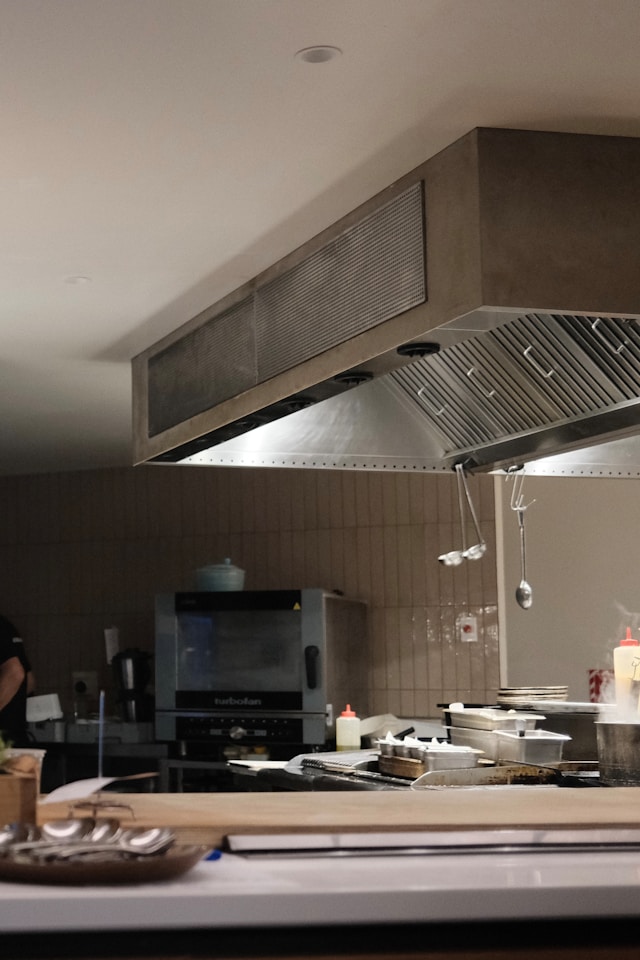
Kitchen Exhaust Cleaning F&B Compliance Singapore
In Singapore’s F&B sector, Kitchen Exhaust Cleaning is not just a maintenance task. It is a practical part of compliance, hygiene control, fire risk reduction, and day-to-day kitchen reliability. For restaurant owners, F&B operators, and facility managers, a neglected exhaust system can create problems that go far beyond dirty ductwork. It can affect inspections, staff safety, equipment performance, and the overall standard of the kitchen environment. That is why a clear and regular cleaning schedule matters. When exhaust systems are maintained properly, businesses reduce risk, support smoother operations, and stay better prepared for compliance checks.
Why Kitchen Exhaust Cleaning Matters for F&B Compliance
Commercial kitchens produce heat, smoke, grease vapor, and airborne particles every day. Over time, these contaminants collect inside hoods, filters, ducts, and exhaust fans. If this buildup is not removed, the exhaust system becomes less effective and the kitchen environment becomes harder to manage.
For F&B businesses in Singapore, that matters because compliance is not only about food handling and visible cleanliness. It also includes maintaining a safe and functional operating environment. Exhaust systems are part of that picture.
Kitchen Exhaust Cleaning Supports a Safer Commercial Kitchen
A working exhaust system helps remove grease-laden vapors, heat, and smoke from the cooking area. When the system is clogged with grease and residue, airflow drops and performance suffers. That can create a kitchen that feels hotter, dirtier, and more hazardous for staff.
Regular Kitchen Exhaust Cleaning helps restore proper airflow and supports a cleaner, safer space for food preparation and cooking.
Compliance Standards Depend on More Than Surface Cleaning
Some operators focus heavily on floors, counters, and food prep zones, which is important. But compliance risk can still grow if the exhaust system is ignored. A kitchen may appear clean at eye level while hidden grease buildup continues inside ducts and extraction components.
This is one reason exhaust cleaning should be treated as part of a wider compliance routine, not as an occasional emergency service.
How Grease Buildup Creates Compliance and Safety Risk
Grease is one of the biggest reasons exhaust cleaning matters. In a busy commercial kitchen, grease does not stay limited to stovetops and fryers. It travels through the air and settles inside the extraction system.
Over time, that buildup becomes more than a cleaning issue. It becomes a safety and maintenance problem.
Kitchen Exhaust Cleaning Reduces Grease Accumulation
The purpose of Kitchen Exhaust Cleaning is not just to improve appearance. It is to remove grease deposits before they create larger operational and compliance concerns.
Grease Buildup Increases Fire Risk
Grease is highly flammable. When it accumulates inside hoods, ducts, and fans, it creates fuel inside the exhaust system itself. If a flare-up or high heat event occurs, that buildup can increase the severity of a kitchen fire and help flames spread faster.
This is one of the most serious reasons to keep cleaning schedules current. Exhaust cleaning is closely tied to fire prevention.
Grease Can Affect Hygiene Standards
Excess grease in the exhaust system can also affect the wider kitchen environment. It may contribute to unpleasant odors, sticky residue, poor air quality, and contamination of nearby surfaces if the system is not functioning properly.
For F&B operators, that weakens hygiene control. A clean kitchen depends partly on having extraction systems that are not overloaded with old grease.
Blocked Systems Can Reduce Ventilation Performance
As grease builds up, airflow drops. That can leave kitchens hotter and smokier during service. Staff may struggle with discomfort, visibility may worsen, and cooking zones may become harder to manage efficiently.
Poor ventilation is not only unpleasant. It can also increase wear on kitchen equipment and make the working environment less stable.
Why F&B Operators Should Treat Exhaust Cleaning as Routine Maintenance
Many operators only think about exhaust cleaning when there is a visible problem, such as smoke buildup, odor, or inspection pressure. That approach is risky. By the time symptoms appear, the system may already be heavily contaminated.
A better approach is to treat exhaust cleaning as part of planned maintenance.
Kitchen Exhaust Cleaning Should Be Scheduled, Not Delayed
A regular Kitchen Exhaust Cleaning program helps prevent buildup before it becomes severe. This makes compliance easier to manage and reduces the chance of unexpected disruption.
Reactive Cleaning Often Costs More
When operators wait too long, the cleaning job may become more intensive, more time-consuming, and more disruptive. Severe grease buildup can also lead to extra repair needs if fans, filters, or duct components are affected.
Routine cleaning is usually easier to manage than emergency intervention.
Scheduled Maintenance Improves Operational Control
A planned cleaning cycle gives operators more control over timing, staffing, and downtime. It becomes easier to align service work with lower-traffic periods or off-hours rather than reacting under pressure during busy operations.
This kind of planning supports stronger facility management and fewer unpleasant surprises.
What Restaurant Owners and Managers Should Know About Maintenance Responsibility
Exhaust cleaning is often misunderstood as a task that can be postponed or handled informally. In reality, responsibility sits with the operator to ensure the system is maintained properly.
That means owners and managers need visibility into the cleaning schedule, service scope, and system condition.
Kitchen Exhaust Cleaning Is Part of Management Oversight
Whether the business is a standalone restaurant, a café, a central kitchen, or a multi-outlet operation, Kitchen Exhaust Cleaning should fall under clear maintenance oversight.
Responsibility Does Not End With Installation
Installing an exhaust system is only the beginning. Once the kitchen is operating, grease begins to accumulate from daily use. The system then needs ongoing cleaning and review to stay effective.
Operators should not assume that normal use alone means the system will continue performing well without service.
Internal Teams Still Need Vendor Oversight
Even when cleaning is outsourced, management still needs to track service frequency, understand what areas are covered, and keep records organized. A vendor may perform the work, but the operator remains responsible for making sure the maintenance program is real and consistent.
Different Kitchens Need Different Cleaning Frequency
A high-volume wok kitchen, charcoal concept, or fry-heavy operation may need more frequent cleaning than a lighter-use kitchen. There is no universal schedule that fits every F&B business.
Managers should assess cleaning frequency based on actual cooking intensity, grease production, and operating hours.
How Regular Cleaning Supports Inspections and Compliance Readiness
Inspections are easier to handle when maintenance is already under control. Operators that keep proper cleaning routines are usually better prepared than those trying to resolve issues only when scrutiny increases.
Kitchen Exhaust Cleaning Helps Businesses Stay Inspection-Ready
A proper Kitchen Exhaust Cleaning schedule supports compliance readiness by reducing hidden risk and showing that the business takes maintenance seriously.
Clean Systems Reflect Stronger Operational Discipline
An organized maintenance routine shows that the operator is managing the kitchen proactively rather than reactively. That discipline often extends to other parts of the operation as well, including hygiene, safety, and equipment care.
In practice, well-maintained systems help create a stronger compliance posture overall.
Service Records Can Support Accountability
Keeping records of cleaning dates, service reports, and maintenance intervals helps businesses show that cleaning is not being neglected. Good documentation also helps when reviewing contractor performance or planning future maintenance.
This is especially useful for larger operators and facility managers handling multiple sites.
Inspection Pressure Is Easier to Manage With Routine Maintenance
When an operator already knows the exhaust system has been cleaned on time, inspections create less stress. The kitchen is more likely to be in stable condition, and management is less likely to face rushed last-minute service calls.
How Exhaust Cleaning Supports Operational Reliability
Exhaust systems affect more than compliance. They also affect how smoothly the kitchen functions every day. When airflow drops and grease accumulates, the whole operation can feel less stable.
Kitchen Exhaust Cleaning Helps Protect Daily Performance
Regular Kitchen Exhaust Cleaning supports operational reliability by helping the exhaust system perform the way it should.
Better Airflow Improves Working Conditions
When the exhaust system is clean, it removes smoke, heat, and grease vapor more effectively. This improves comfort for staff and helps the kitchen stay more workable during long service periods.
A better working environment can also support productivity and reduce stress during peak hours.
Clean Systems Reduce Strain on Equipment
Exhaust systems that are clogged with grease may force fans and related components to work harder. Over time, this can increase wear and reduce efficiency.
Routine cleaning supports system performance and may help reduce avoidable maintenance issues later.
Less Downtime Means Smoother Service
When cleaning is handled proactively, operators are less likely to face sudden performance problems that interrupt service. That matters because downtime in an F&B setting affects revenue, staffing, and customer experience directly.
Signs Your Exhaust System May Need Attention
Some kitchens delay cleaning because the system problem is hidden. But there are often warning signs that maintenance is overdue.
These may include:
- Strong lingering grease odors
- Excessive smoke during cooking
- Hotter kitchen conditions than usual
- Sticky residue around hood areas
- Reduced extraction performance
- No clear record of recent cleaning
- Heavy grease visible on filters or accessible surfaces
If any of these signs appear, the system may already be carrying more buildup than it should.
Common Mistakes F&B Operators Should Avoid
Exhaust maintenance often fails because of a few repeated mistakes.
Treating Exhaust Cleaning as Optional
This creates avoidable compliance and fire risk.
Cleaning Only Visible Parts
Surface cleaning alone is not enough if grease remains inside ducts and extraction components.
Waiting Until There Is a Problem
By then, airflow, hygiene, and safety may already be affected.
Using the Same Schedule for Every Kitchen
Cleaning frequency should reflect the real cooking load and grease output.
Failing to Track Maintenance Properly
Without records, it becomes harder to verify consistency and plan ahead.
How to Build a Better Exhaust Cleaning Schedule
A practical schedule should start with real kitchen conditions. Review your menu type, cooking style, equipment use, peak periods, and grease output. Then work backward into a cleaning frequency that reflects actual risk.
Operators should also:
- Review service intervals regularly
- Keep cleaning records organized
- Reassess frequency if kitchen volume increases
- Include exhaust cleaning in broader maintenance planning
- Work with qualified professionals who understand commercial kitchen systems
This approach makes the maintenance program more useful and easier to sustain.
Review Exhaust Cleaning Schedules Proactively
In Singapore’s F&B sector, Kitchen Exhaust Cleaning is a practical part of compliance, safety, hygiene, and operational reliability. Grease buildup can increase fire risk, weaken ventilation, affect inspection readiness, and create avoidable disruption in daily service. For restaurant owners, F&B operators, and facility managers, the most effective approach is not to wait for warning signs. It is to manage exhaust cleaning as a routine maintenance responsibility.
Review your exhaust cleaning schedules proactively. A consistent plan helps protect your kitchen, support compliance, and keep operations running with fewer risks and fewer surprises.