Why Zi Char in Singapore is the Heart of Local Dining Culture
To truly understand the soul of a city, you must eat its food. In Singapore, a nation celebrated for its culinary obsession, the most authentic and heartfelt dining experience can be found around a table laden with sizzling, aromatic dishes. This experience is zi char in Singapore, a style of cooking that embodies the nation’s spirit of community, diversity, and love for good food. More than just a meal, zi char (煮炒) is a cultural institution, a noisy, joyful ritual that brings together families, friends, and colleagues to share in a feast of comforting, wok-fried delights.
This article delves into why zi char is the undeniable heart of Singapore’s local dining culture. We will explore how its communal nature strengthens social bonds, how its diverse menu reflects the island’s multicultural heritage, and why these humble, often open-air eateries represent the most authentic taste of Singaporean life.
The Communal Spirit of Zi Char in Singapore
At its core, zi char is designed for sharing. Unlike a Western meal where each person has their own plate, a zi char meal is a collective affair. Dishes arrive one by one from the fiery wok and are placed in the center of the table, creating an instant communal feast. This simple act of sharing food from common plates fosters a powerful sense of togetherness and connection.
A Meal That Builds Bonds
The round tables commonly found at zi char establishments are no accident. They ensure everyone can easily reach the dishes and see each other, facilitating conversation and interaction. The act of passing plates, recommending a favorite dish to a friend, or placing a piece of prawn paste chicken onto a loved one’s plate are small gestures that reinforce social bonds. It’s a dining format that naturally encourages lively chatter, laughter, and the strengthening of relationships. For many Singaporean families, a weekly zi char dinner is a cherished tradition, a time to catch up and reconnect over a satisfying meal.
The Art of a Shared Order
The process of ordering at a zi char in Singapore eatery is a collaborative and often animated discussion. Friends and family members debate which dishes to get, balancing familiar favorites with new ones to try. Should it be chili crab or black pepper crab tonight? Do we get the sambal kangkong or the garlic kailan? This collective decision-making is part of the experience itself, a mini-exercise in teamwork before the food even arrives. It ensures there is something for everyone and heightens the anticipation for the coming feast.
A Reflection of Singapore’s Culinary Melting Pot
The menu at a zi char stall is a living history book of Singapore’s diverse culinary influences. While its roots are in Chinese home-style cooking, particularly Hokkien, Teochew, and Cantonese traditions, zi char in Singapore has absorbed flavors and techniques from other cultures, creating a uniquely local flavor profile.
A Fusion of Flavors on One Menu
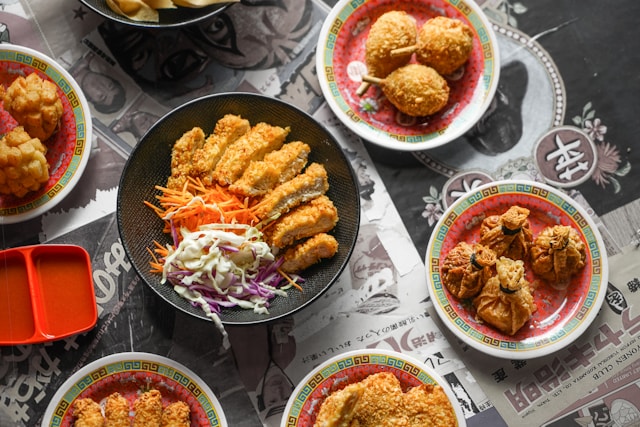
A typical zi char menu showcases this incredible diversity. You will find dishes with clear Chinese origins, like Sweet and Sour Pork or Ginger and Spring Onion Sliced Fish, sitting comfortably alongside dishes that show a distinct Malay or Peranakan influence.
- Sambal Kangkong: The use of sambal, a chili paste central to Malay and Indonesian cuisine, to stir-fry a common Chinese vegetable is a perfect example of this fusion.
- Curry Fish Head: While it has South Indian origins, the Singaporean zi char version is often a lighter, slightly sweeter, and tangier interpretation, adapted to local Chinese palates.
- Cereal Prawns: This inventive dish, with its buttery, sweet, and savory cereal topping, is a modern Singaporean creation that you would be hard-pressed to find anywhere else.
This blend of influences means that a single zi char meal can take your taste buds on a journey across Asia, all from the comfort of one table.
The Magic of “Wok Hei”: The Signature of Zi Char in Singapore
One of the defining characteristics that elevates zi char cooking is the elusive wok hei (鑊氣), which translates to “breath of the wok.” It’s that distinct, smoky, and charred aroma that can only be achieved by cooking fresh ingredients over an extremely high-powered flame in a well-seasoned wok.
A Mark of Skill and Artistry
Achieving wok hei is an art form that requires immense skill. The chef must toss the ingredients with precision, ensuring they are cooked through yet remain crisp and tender, all while being kissed by the searing heat of the flame. It’s a high-energy, theatrical process that imparts a complex, smoky flavor that cannot be replicated in a home kitchen. That signature aroma is the soul of a great zi char dish, whether it’s in a simple plate of fried rice or an elaborate seafood stir-fry. When you taste that smokiness, you are tasting the skill and passion of the chef.
Zi Char is for Everyone: Accessible and Unpretentious
Despite the incredible skill involved, zi char remains one of the most accessible and democratic dining experiences in Singapore. It transcends social status, with people from all walks of life—from blue-collar workers to executives—gathering at their favorite neighborhood spots.
Affordable Feasting
Compared to restaurant dining, zi char in Singapore offers incredible value for money. It allows a group to enjoy a multi-dish feast with fresh seafood, meat, and vegetables at a fraction of the cost of a fine-dining establishment. This affordability is what makes it a regular, go-to option for family dinners and casual get-togethers, embedding it deeply into the rhythm of everyday life.
Come as You Are
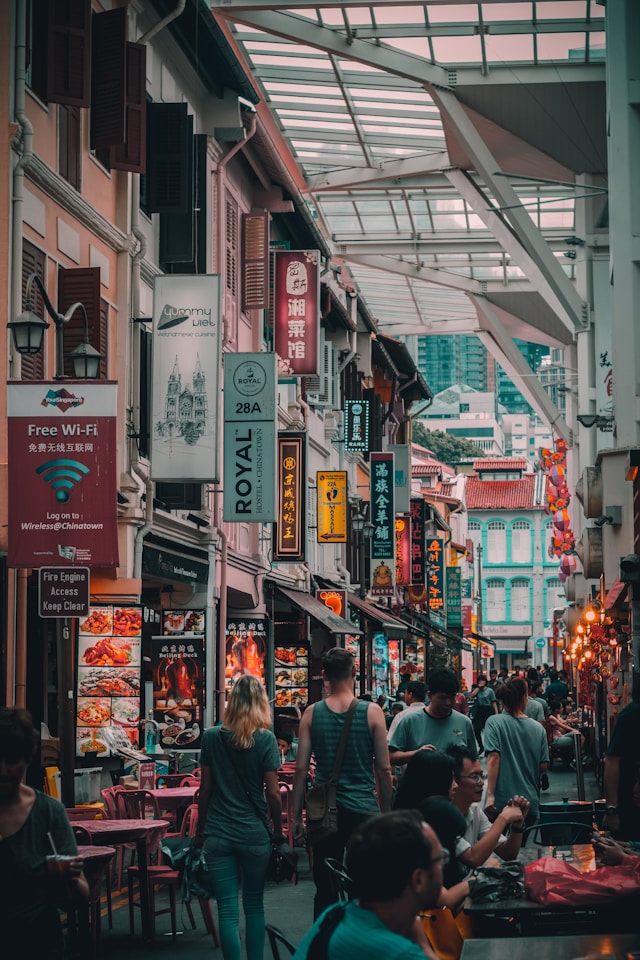
There is no dress code or pretense at a zi char stall. Most are located in open-air coffeeshops (kopitiams) or hawker centres, where the atmosphere is relaxed and informal. You come as you are, ready to enjoy good food in a comfortable setting. This lack of formality makes it an inviting and unintimidating experience, where the focus is solely on the food and the company.
Conclusion: The Enduring Heartbeat of Singaporean Dining
In a city that is constantly modernizing and home to a dazzling array of international cuisines and Michelin-starred restaurants, zi char in Singapore remains the unwavering heartbeat of the local food scene. It is a tradition that embodies the nation’s core values: community, multiculturalism, and a deep, abiding love for delicious, unpretentious food.
A zi char meal is a multisensory experience—the clanging of the wok, the sizzle of the stir-fry, the boisterous chatter of happy diners, and the incredible aroma of wok hei. It is where stories are shared, bonds are forged, and the true flavor of Singapore comes to life. To understand Singapore, you must pull up a chair at a bustling zi char table and partake in this beloved culinary ritual.